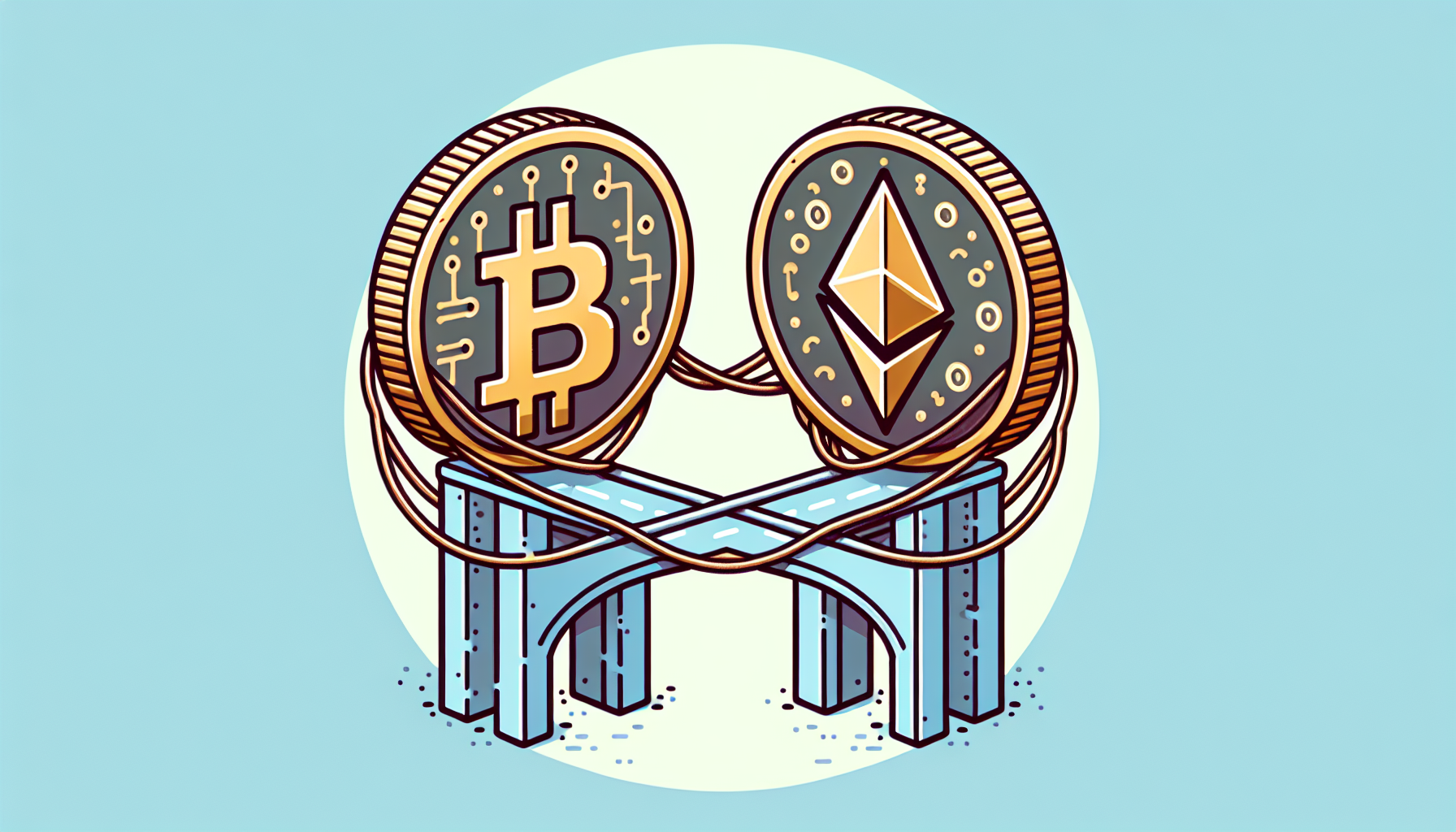

Understanding Wrapped Bitcoin (WBTC): Bridging Bitcoin with Ethereum
In the ever-evolving world of cryptocurrencies, innovation is the name of the game. One such innovation that has attracted significant attention is Wrapped Bitcoin (WBTC). As the decentralized finance (DeFi) sector continues to grow, WBTC emerges as a crucial player, facilitating interoperability between two of the largest blockchain networks: Bitcoin and Ethereum. But what exactly is Wrapped Bitcoin, and why is it gaining traction? Let's dive in.
What is Wrapped Bitcoin (WBTC)?
Wrapped Bitcoin is a tokenized version of Bitcoin that operates on the Ethereum blockchain. Essentially, it is Bitcoin "wrapped" in an ERC-20 token, enabling Bitcoin holders to access Ethereum's burgeoning ecosystem of decentralized applications (dApps) and DeFi services. Each WBTC is backed 1:1 by actual Bitcoin, ensuring that its value mirrors that of Bitcoin itself.
How Does WBTC Work?
The process of creating WBTC involves a few key players: merchants, custodians, and users. Here’s how it works:
-
User Request: A user approaches a WBTC merchant (often a cryptocurrency exchange or financial service) with a request to wrap their Bitcoin.
-
Custodian Role: The merchant passes this request to a custodian, who is responsible for holding the original Bitcoin. In exchange, the custodian mints equivalent WBTC tokens on Ethereum.
-
Token Issuance: Once the Bitcoin is securely held, the custodian issues WBTC tokens to the user, enabling them to participate in Ethereum’s ecosystem.
-
Redemption: Should the user wish to revert to Bitcoin, the process is simply reversed. WBTC tokens are burned, and the actual Bitcoin is released by the custodian to the user.
Advantages of Wrapped Bitcoin
Interoperability
One of the most significant advantages of WBTC is its ability to facilitate interoperability between Bitcoin and Ethereum. Bitcoin holders can leverage Ethereum's DeFi platforms without having to sell their Bitcoin holdings, allowing for greater liquidity and flexibility.
Liquidity
By converting Bitcoin into WBTC, users contribute to the liquidity pool across Ethereum’s diverse DeFi platforms. This enhanced liquidity can improve transaction volumes and reduce slippage, providing a more seamless user experience.
DeFi Opportunities
WBTC opens up a plethora of DeFi opportunities for Bitcoin holders. Users can engage in lending, borrowing, and earning interest on Bitcoin investments through popular DeFi protocols like Aave, Compound, and Uniswap.
Wrapped Bitcoin Use Cases
Yield Farming
WBTC can be used in yield farming strategies, where users stake their WBTC in various liquidity pools to earn rewards and interest. This allows Bitcoin holders to generate extra income while retaining exposure to Bitcoin’s price movements.
Collateral for Stablecoins
Users can use WBTC as collateral for stablecoin loans, providing a stable store of value or liquidity without needing to part with their Bitcoin assets.
Trading and Arbitrage
Traders often use WBTC for arbitrage opportunities between the Ethereum and Bitcoin markets, utilizing smart contracts to automate trading strategies and capitalize on price discrepancies.
Potential Risks and Considerations
While Wrapped Bitcoin offers numerous benefits, it is not without risks and considerations:
-
Centralization Risk: Custodians hold the actual Bitcoin, introducing a level of centralization and potential counterparty risk.
-
Smart Contract Vulnerabilities: As an Ethereum-based token, WBTC is subject to smart contract risks associated with any DeFi platform.
-
Regulatory Concerns: The regulatory landscape for cryptocurrencies is continually evolving, and changes could impact the operation of wrapped tokens like WBTC.
Conclusion
Wrapped Bitcoin represents a pivotal bridge between the Bitcoin and Ethereum ecosystems, unlocking new potentials for both cryptocurrency holders and developers. By enabling interoperability, enhancing liquidity, and providing access to DeFi opportunities, WBTC is shaping the future of crypto finance. However, as with any financial innovation, users must weigh the benefits against the potential risks to navigate this exciting frontier safely.
