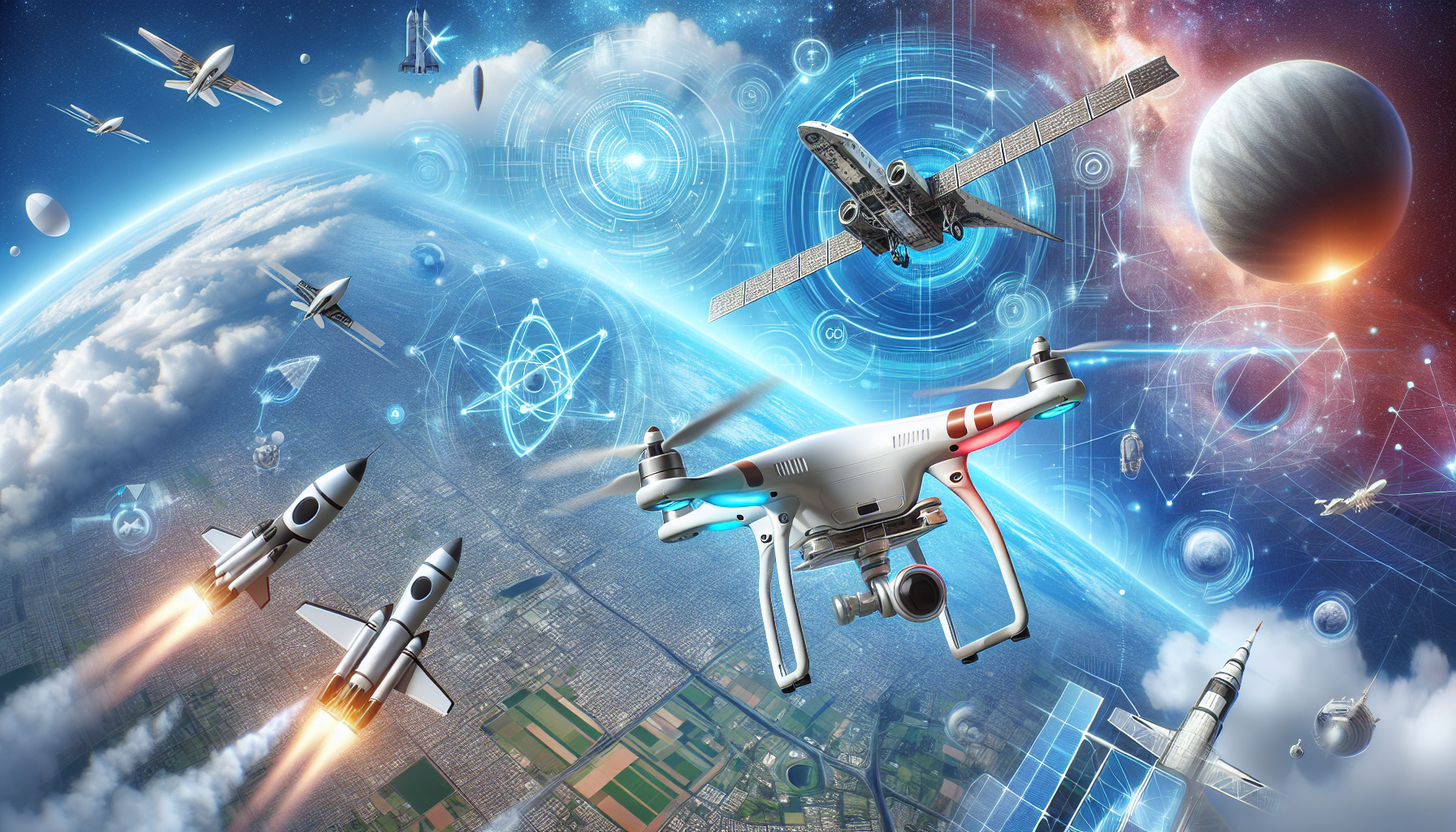

Exploring SkyAI: The Future of Artificial Intelligence in the Skies
In recent years, the advancement of artificial intelligence (AI) has truly taken off, quite literally and figuratively. Among the exciting developments, SkyAI stands out as a cutting-edge integration of AI technology with aviation and aerospace industries. This synergy promises to revolutionize how we navigate the skies, manage air traffic, and explore outer space. In this blog post, we will delve into what SkyAI is, its potential applications, and how it might shape the future of air travel and space exploration.
What is SkyAI?
SkyAI refers to the implementation of artificial intelligence technologies in aviation and aerospace sectors. By integrating sophisticated algorithms and machine learning models, AI systems can assist in various tasks, from improving aircraft design to enhancing safety measures and optimizing flight operations. SkyAI encompasses a broad spectrum of applications, including autonomous flying vehicles, smarter navigation systems, and automated air traffic management.
Key Applications of SkyAI
1. Autonomous Aircraft
One of the most anticipated applications of SkyAI is the development of autonomous flying vehicles. By leveraging AI, aircraft can operate with minimal human intervention, relying on sensors and algorithms to navigate through complex airspaces safely. This could lead to the emergence of flying taxis and drones that efficiently transport passengers and goods, reducing congestion on the ground.
2. Enhanced Air Traffic Management
As the number of flights increases globally, efficient air traffic management becomes crucial. SkyAI can enhance traditional systems by predicting traffic patterns, optimizing flight paths, and even managing emergencies with greater precision. AI-driven technologies can process vast amounts of data in real-time, providing air traffic controllers with insightful recommendations to maintain safety and efficiency.
3. Predictive Maintenance
AI can significantly impact aircraft maintenance by predicting mechanical issues before they occur. Using data from sensors embedded in aircraft, AI systems can analyze wear and tear, identify potential failures, and schedule maintenance proactively. This not only ensures the safety of flights but also reduces downtime and maintenance costs.
4. Space Exploration
SkyAI is not limited to our atmosphere; it extends to space exploration as well. AI can assist in mission planning, autonomous navigation of spacecraft, and data analysis from celestial observations. By processing and interpreting vast amounts of data, AI helps scientists make informed decisions about future space missions.
The Future of SkyAI
The integration of artificial intelligence into the aerospace industry is poised to revolutionize the way we think about flying. With SkyAI, we can expect safer, more efficient, and environmentally friendly air travel. It could eventually lead to the democratization of airspace, allowing for more personalized and accessible travel options.
However, as with any technological advancement, challenges remain. Ensuring the security of AI systems, maintaining robust ethical standards, and addressing public concerns about automation are pivotal to the successful adoption of SkyAI.
Conclusion
SkyAI represents the frontier of artificial intelligence in aviation and aerospace. Its potential to transform the industry is immense, offering promises of safer skies and new opportunities for exploration. As researchers and companies continue to innovate, SkyAI will likely play a crucial role in shaping the future of how we travel, both on Earth and beyond.
Stay tuned to our blog as we continue to explore the exciting developments in the world of AI and beyond. If you have any questions or would like to share your thoughts on SkyAI, feel free to leave a comment below!
Remember, the sky is not the limit when it comes to AI—it's just the beginning.
